How to brush your dog's teeth
A step-by-step plan to get your dog used to tooth brushing, how often to do it, which toothpaste is safe, and how to spot products with the VOHC seal.
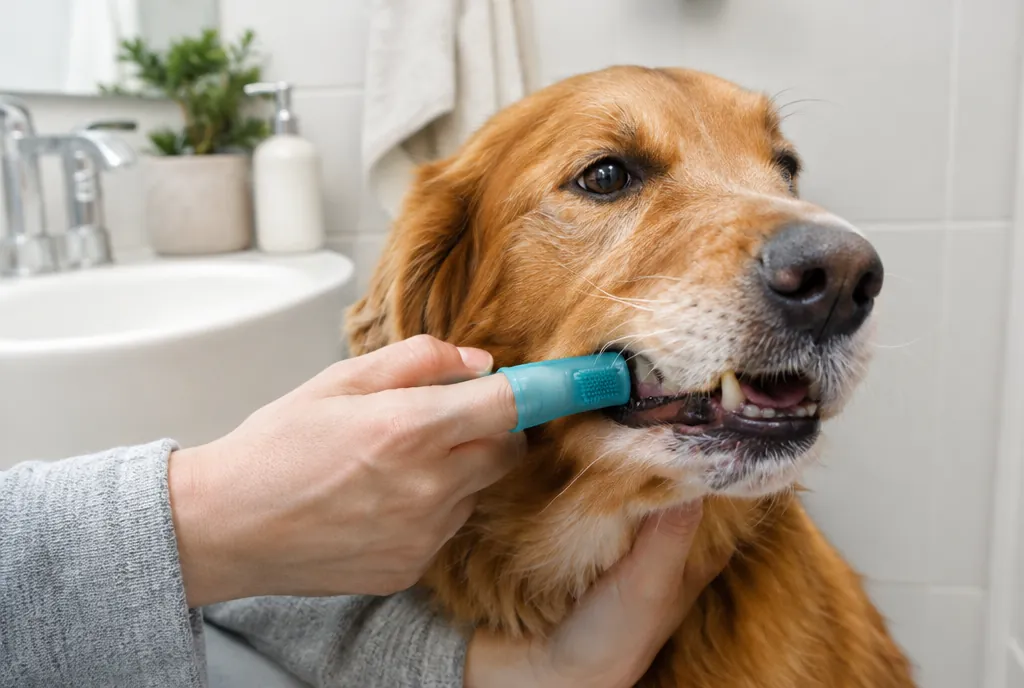
Brushing is the most effective way to control plaque at home, and most dogs can learn to accept it with a slow, patient start. This guide follows advice from Cornell University's College of Veterinary Medicine and VCA Animal Hospitals.
Why it matters
Periodontal (gum) disease is common in dogs. In a UK study of more than 22,000 dogs seen by primary-care vets, 12.5% had a recorded periodontal disease diagnosis in a single year, and because that only counts recorded diagnoses, the true figure is likely higher. Breeds such as the Toy Poodle, King Charles Spaniel and Greyhound were among those at higher risk.
Plaque starts building up within 12 hours of brushing, which is why Cornell recommends brushing at least once a day for about 60 seconds. VCA calls daily brushing the single best form of plaque control.
What you need
- A dog toothbrush or finger brush, sized for your dog's mouth.
- Pet toothpaste only. VCA is clear that human toothpaste should never be used in dogs, because its ingredients aren't meant to be swallowed, and the FDA warns that some human toothpastes contain xylitol, which is toxic to dogs. Cornell notes that toothpaste is optional, but if you use one it must be made for pets.
- Treats or praise to keep sessions positive.
Step by step
Take each step at your dog's pace. Cornell suggests spending a few days to a week on the first stage alone.
- Handle the muzzle. Gently touch around your dog's mouth and praise them. Keep it short and pleasant.
- Lift the lip. Once your dog is relaxed with handling, lift the lip and rub the gums and outer teeth with your finger.
- Brush the outer surfaces. Use small circular motions on the outside of the teeth. Work toward about 60 seconds in total.
- Make it routine. Brush at the same time each day so it becomes part of your dog's schedule.
If your dog pulls away or seems stressed, go back a step and try again tomorrow.
Choosing dental products
Look for the Veterinary Oral Health Council (VOHC) Seal of Acceptance. VOHC awards it to products that meet its standards for reducing plaque and/or tartar. It doesn't test products itself; a council of veterinary dentists reviews the data manufacturers submit. VCA recommends choosing VOHC-accepted products, and the full list is published at vohc.org.
Brushing doesn't replace the vet
Home care slows plaque, but it can't treat disease that is already there. Ask your vet to check your dog's teeth at routine visits and to advise whether a professional dental cleaning is needed.
Sources
- Cornell University College of Veterinary Medicine. Veterinary tips for pet dental care. 2018.
- VCA Animal Hospitals. Dental Cleaning in Dogs
- VCA Animal Hospitals. Dental Disease in Dogs
- Veterinary Oral Health Council. vohc.org
- O'Neill DG et al. Epidemiology of periodontal disease in dogs in the UK primary-care veterinary setting. Journal of Small Animal Practice, 2021.
- US Food and Drug Administration. Paws Off Xylitol; It's Dangerous for Dogs
Frequently asked questions
How often should I brush my dog's teeth?
Daily is best. Cornell's College of Veterinary Medicine recommends at least once a day for about 60 seconds, because plaque builds up within 12 hours.
Can I use human toothpaste on my dog?
No. VCA says human toothpaste should never be used in dogs, and the FDA warns that some contains xylitol, which is dangerous for dogs. Use a toothpaste made for pets.
What is the VOHC seal?
The Veterinary Oral Health Council awards a Seal of Acceptance to dental products that meet its standards for controlling plaque and/or tartar, based on data a council of veterinary dentists reviews.
Is brushing enough, or does my dog need a dental cleaning?
Brushing is the best home plaque control, but it does not replace veterinary dental checks. Ask your vet to look at your dog's teeth at routine visits.
Keep reading
More in Care →-
Training
A simple puppy routine
A practical, easy-to-follow daily routine to help your puppy feel secure, learn faster and thrive, with potty breaks, naps, meals and short training sessions.
-
Training
How to introduce a cat and a dog
A calm, step-by-step plan for introducing a cat and a dog: separate spaces, scent swapping, barrier and leashed meetings, and the stress signs that mean slow down.
-
Care
Heatstroke in dogs: signs and first aid
How to recognise heatstroke in dogs, which dogs are most at risk, why exercise causes more cases than hot cars, and the 'cool first, transport second' first aid that can save a life.